
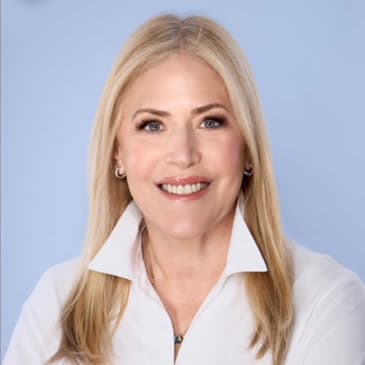
How often do you let your people know they matter? When Covid shut the world down, today’s guest, author and consultant Tammy Cohen, realized she’d been so busy cultivating a life of achievement that she wasn’t as connected to people she cares about as she thought she was. That a-ha moment sparked a journey of exploring values, leadership, and connection, and that eventually led to writing a book: “Text Messages to My Sons: A Guide to Using Mobile Devices to Connect and Communicate Deeply With Your Kids”. In this episode, Tammy shares what she learned through it all, how the experience shaped a new relationship with her sons and the incredible ripple effect it’s had since then.
Keywords: connection, family, children, parenting, mother-son relationships, how to stay connected to your child when they move out, how to stay connected to your adult children, unconditional love, communication, emotional support, breast cancer, Text Messages to My Sons, Tammy Cohen, Deb Drummond
Find Tammy’s book on her website: https://tammyjcohen.com/
Instagram: https://www.instagram.com/tammyjcohen/
[00:00:03] Deborah, with her 30 years of being an entrepreneur and creating over seven companies, knows exactly what it means to accept the mission. When you make that decision, when you accept the mission to become a solopreneur, to take yourself and your talents to market, then you embrace a life of not only unlimited possibilities, but also the unknown. It's an elixir of fear and bravery that only someone who's taken the leap really understands.
[00:00:28] On our show, Deb digs deep with her guests to highlight what you, the listener, wants to know. The stories, the whys and the hows to navigate the journey to success. Get ready to hear from some of the most incredible mission takers from Generation Z to boomers. So sit up, perk up and get ready to be blown away. Now here is your host, Deborah Drummond.
[00:00:51] And welcome back to Mission Accepted.
[00:01:16] We are so glad that the mission you decided to take today was going to be spending some time with us. I'm very excited. And you know, I always dote on my audience and tell you that you're the best because you are. You answer, you share, you like, you, you send me everything and everything and everything. And you tell me how wonderful the shows are and how they're changing your life.
[00:01:37] And how and where are you listening to them? Like when you're exercising or when you're supposed to be doing this or, you know, you're you followed my lead and you listen to your shows when you go grocery shopping. Right. My friends are like, you should just order your groceries. I'm like, no, that's my podcast time. That's where I'm getting exercise. I'm shopping. I'm seeing people. I'm all and I'm, you know, and sometimes I'm in the grocery store laughing. I'm sure so are you because we like to have fun here. So look at you are going to leave a more unconditional today.
[00:02:06] You are going to drop in and embody unconditional in a way you never thought before. And you're like, what? And if you saw the little strike of both pictures that we did before the show, I was kind of trying to look like I was on my phone. We are going to give you permission. I'm not going to give you permission, but our incredible guest, Tammy Cohen, and she is like a messaging guru. She loves to message with the right words for the right reason.
[00:02:34] So therefore, you are going to love your phone. We are going to be the first person in your life to give you permission to go on your phone or she is. She's an incredible author of text messages to my son. She's going to tell us about how this came about and literally how this is creating its own movement, its own way of people that are getting incredible results. It's a completely different form of medication. So it's all about it. So how to connect and communicate. Tammy, welcome to Mission Accepted. Hey, Debra.
[00:03:03] I'm so happy to be here. I mean, this is great. I love your introduction. Yes, it's okay to use the phone because the phone is neither good nor evil. It's just a thing. So, yeah, I love the way you pop that. That was a wonderful introduction. Thank you. Well, good. So now we're going to back that up. I guess people are like, okay, thank you very much. Or what are you talking about? You need to go talk to my other person that lives with me and tell me not.
[00:03:28] But let's talk about how you ended up writing a book that was about turning text messaging into what I consider a pretty strong piece of empowerment. So tell us how this text messages to my sons came about. So this is very interesting because this is actually the second edition that was published. So I had this come about. I'm going to say right off the bat, Deb, and you might not believe this, I never set out to write a book. Never did.
[00:03:55] So how this came about was, let's go back. Pandemic started. And I realized at that moment when everything shut down because my whole source of worthiness was external. It was based on validation from my job, from people, colleagues from outside. And I was traveling two weeks every month for work. I was running away. I wasn't happy. I wasn't okay at home.
[00:04:23] So what happened was everything shut down. I wasn't going anywhere. And my clients, those kind of like halved and shut down also because I was in the travel side mostly. Like the work I was doing was involved with vacationers. Okay. So what happened? I had time on my hands and I said, you know, I'm not okay. I'm like, I have this like the stuff in my head and limiting beliefs. Like I didn't even, I was feeling resentment all the time.
[00:04:53] I sit feeling these feelings. So I said to myself, okay, you know, like I have time. So what do I do? I jumped in. Right. I hired a life coach, business coach. I was on Mindvalley. I was doing Alicia Power Within. I was like a regular, you know, like I was just Joe to spend everything. Go out, leave. You can think about every course, every program. Deb, I can be a coach 12 times over and accredited if I would have just said yes to the accreditations, but that wasn't my path. And you know what?
[00:05:22] I said to myself, this stuff is incredible. Like they don't teach gratitude in school. Like we went to school, we grew up, right? They don't teach us about sabotage or worthiness or appreciation. Nothing of this is taught, but this is what we need because we're human. Like connection. And we're not taught these kinds of elements or they never get into anything like that. So I said, I want to share this with my sons. Well, I'm learning all these things.
[00:05:51] Like my mind is blowing up here and I want to share this information with my sons. I want them to know how amazing they are. I want them to know how much gratitude I filled in, but I really just want to share every quote, everything, every thought leaders idea. I was reading a ton of books too. So that's how it started. So I'd message them and I started messaging every day. And of course, James Clear, Atomic Habits, right? I'm like, have you built a habit?
[00:06:18] And every day I was like sitting, taking 10 minutes and thinking, what have I learned? That really stood out to me and signing it off with how extraordinary they are. Okay. And you know what happened? It became like a thing. And I started realizing that my energy level just like really went much higher when you're messaging love or something good, your energy vibrates at a very high frequency.
[00:06:42] And that was how it started for me to start using the phone because let's face it, Dad, who the hell is having the in-person conversation? I'm from that generation. I love having conversations. Okay. I'm not into the whole, basically tech is not my friend in a lot of ways, but I like having conversations. I'm like, I love going to in-person, but kids aren't there. Okay. They didn't grow up that way. So if you want to reach somebody, even people of later generations, everybody's having
[00:07:12] their phone is in their hands. It's in their purse. It's in their back pocket. So send a message to look at it because that's the only way to reach them. The one thing I did understand also from day one is that I have to send this message. It's unconditional. I have to become that person and change the conversation with them and be accountable a little bit. And that was opened up a whole bunch of messages, accountability, resilience, leadership things.
[00:07:39] I started coming at me like really like at super speed of what I wanted to share. And that's when they started to see me as a human being when I was accountable and started talking about real things. Wow. So tell us, you know, there's a lot of people out there that have children at various ages. And I don't think there's a cap on this. You know, just because it was sons or whatever that timeframe is.
[00:08:07] I don't think it's ever old school to send love and messages and empowerment. But, you know, I think I can hear some people, oh my gosh, if I sent my son or I sent my daughter, like have gratitude today. They'd be like, what's wrong with you? So what was the initial, like, what was the initial responses where they're like, mom, like you're sending me a message every day. Like you okay? Or what was that like? You know what is very interesting. So I have three sons. Now they're 32, 30 and 25.
[00:08:35] So I started on the later side because it's like six years ago that I started sending me and I still send them even though the books published and everything. I'm sending this every day. But no, they were kind of like, wow, you know, look at you. You know, you're sitting here taking the time. They looked forward to a book because that's what they said. Like to know that somebody loves them enough to send them message of encouragement, support, love. It's not a one and done.
[00:09:04] Like it's not just, hey, love you or hey, make good choices or, you know, it's a message. Sometimes they're like that text is long. Like, what? Like, I know. Oh my God. Like it was, I just had so much I had to share with you. It's sharing. Right. And that I think what happened was with them is that they said, you know, knowing that somebody loves them so much and do this every day, made them feel bulletproof.
[00:09:32] So if the day goes sideways, it's okay. And they are not the mommy. I love you. Like if you do, if you're going to start messaging your kids, they can say like, if you need, if it's for them to tell you, I love you. You're the best mommy in the world. And that's not, that's not happening. They don't say, uh, once in a while, you know, like there's always one kid who's a little bit more empathetic and they'll answer. Love you. Some, some don't answer period. Some just send you back a heart emoji.
[00:10:00] It's okay because it's not about their responses. There's no, I never had an expectation that they'd respond. I just wanted them to know they matter. Yeah. That's it. And it's the same thing with anything. Anybody who you're talking to, they want another matter. They want to know somebody cares. That's why there's this connection. People don't feel like they matter. They don't feel like anybody really cares. They just kind of like, it's empty. It's bad. It's, it's like vapor. It's nothing. Right.
[00:10:26] So I try to build that with my sons and, um, and they, and they, they, they took it for what it is. They were most impressed though, that I was at my age going out there and learning about limiting beliefs and going out there and do it like it, unleash the power within, you know, going out there telling them like, oh my God, you have to, I'm rewiring my mind meditation. Like they just thought it was great that I was, I was learning and trying. And like, that's, that's awesome.
[00:10:53] Look, like, you know, when you look through the book and you're like, so what does the book say or show? Because when people like text messages to my son, so is it examples of texts? Is it like, I personally know that there's like, you know, there's some chapters they're like, but there's like love and leadership. Give us a little bit more in depth on how this texting with your son, I will something in relationship to people just want to be heard.
[00:11:18] People just want to know that someone cares and what is it that people get from the book? Do you know what I mean? Yes. Okay. Great question. So, all questions are great by the way. So, text message is the first book ever written in text message format. So it's, it's very easy to read. What I did was, um, when I was working with my publisher, especially on the second book, we saw, we, we saw the trends. There's categories, you know, there's kind of like accountability, there's mindfulness,
[00:11:48] there's leadership, there's like messages that center around those. So we started putting them into chapters. So to make it easy, let's say somebody's reading the book and they're really interested in doing this and they want to know more about gratitude and appreciation. Like those kinds of messages really resonate. So they, you have all these messages that are already written. Um, so basically what I, what I started to realize was I had to share the why, like why, why message about leadership?
[00:12:16] Why message about discipline and determination? Why message these types of messages? Why accountability? So each chapter starts off with the why, like what, what was I, why did I do like that? And then you have the messages that apply. And then there's like an, um, kind of like an, an epilogue at the end is like at the ends of each chapter, it says like what I wish for the reader, what I hope you took away from this.
[00:12:43] So that kind of made it more of, um, more interesting. My first foray into this is basically the messages. And then when I went to do the next edition, I work with a publisher. The first book was self published. I didn't, I didn't really know what I was doing. It was more of like a thing because when I would tell people like, oh, I, I do this to my kids. I messaged them. They were like, wow, you should put that in a book. That's amazing. So I said, I said, okay, I put it in a book. Deb, I didn't know what it's doing. I hired an editor.
[00:13:12] I didn't know anything. I didn't even know zero did it. But then I saw it, it was like, it was sort of winning awards. And I was just like, okay, people are interested in this and this, how this works. Now, the funny thing is you asked me about the audience. So I thought it was mostly like parents of kids. Right. And there is a great, but then grandparents piles in. Cause there's a lot of grandparents with kids in teenagers, like grandchildren or teenagers,
[00:13:40] adults there in college and they like texting. Everybody became texting very, very text friendly during the pandemic and virtual friendly. Um, but I see I have younger parents. Now they're not ready to do it cause they have babies, but they think it's really interesting. So they're popping a message of love into their family chat. I have dads of, um, especially with the dads, it's interesting. They have young kids. They go, my kid's in lower school. They don't have a phone or my kids in middle school.
[00:14:10] And we only gave them a flip phone, but we can send them a text or my kids, you know, um, I put a message in their backpack. I write one. Well, Hey, I remember as a kid messages in a lunchbox. I was always jealous of the kids who got the message in the lunchbox. The love message. Like I, who cared? They got the tweaking. What was amazing was they got this message that their mother loved them. My mother never, you know, did any of that stuff. She was, she was like a whole different other species.
[00:14:39] I was kind of like jealous. Wow. Kids are the luckiest kids. They got a message from their parent. So now I see people doing it now and just a more modern way. It's a modern message in a lunchbox. But the fact that parents are like young kids are thinking of doing it. The fact that there's a movement of parents to move their kids away from smartphones to start them in middle school with flip phones. It's a big movement.
[00:15:03] There's absolutely startups of tech phone, of companies putting out these flip phones that are cool. Because parents don't want that algorithm and all that stuff. They just want to have the kid stay away from that for as long as possible. And you know, by the time you get into high school, that's the smartphones are going to happen. So build that relationship, build it when you can. And then keep it going. But you got to change the way your messaging. It can't, it's not the same type of messaging as they grow. It's very different messaging.
[00:15:33] You know what I love? I love the part that you said, don't write it expecting a response. Because that's just the natural, that's just our human behavior at this point. We send a text. I remember when we were all beginning to use all of it for business, right? And then people were like, oh my God, I'm so stressed out of getting texts. I'm like, you know, you don't have to answer them right away. I remember when everyone was like trying to answer their texts right away and they're turning notifications off. And I thought, I'm like, breathe.
[00:16:01] Like if someone called and left you a message or if they sent you an email yesterday, you can get back to it today. It took a while to rewire that we didn't need to be, you know, kind of on alert like that. But I find it really interesting because normally if you're giving someone words of, you know, love or appreciation, what have you, they say like, thank you. But I love, I've always loved the words age appropriate. I get that. You know what I mean? Like you can't expect someone to, you know, I do.
[00:16:28] It was, it was a really great book when I was raising my children and it was like, if you're in a hurry in the morning, you can't expect your two year old, your three year old, your four year old, five year old to walk as fast as you. And it's this whole category, this whole chapter on age appropriateness. But how you're like, okay, or, you know, with my son yesterday, bless his heart, I went on to my credit card statement for something. I'm like, there's three Uber on there. I didn't take. You know what I mean? I'm like, oh my goodness.
[00:16:57] And I was like, oh, and I'm like, okay, just turned 22. He didn't think or he thought if I asked mom, she's going to say no. So I'm just going to kind of put it over here and completely normal behavior, right? Completely normal behavior. So I golf and he doesn't add to the phone. I'm like, you can pick up the phone. You know what I mean? So just these normal things that like that are more age appropriate. I mean, would I talk to somebody now, would your 30 year old just call you and go, I need to use your credit card, right?
[00:17:25] I mean, it just would be a different stage, a different conversation at every different level. So, cause you know, I'm such a big meanie. And, but I love that you said when you send the message, like a heart or a thumb up is good enough. Or maybe that's, you know, that's not, you're not going to get a response, but it does. It's not about the response, right? It's about the impact. I noticed that there's a chapter in your book around leadership. And I know that our audience, there's lots of other audience that are entrepreneurs and
[00:17:54] in leadership and doing leadership and building leadership and leading themselves. And lots of people like us and all and you that were like starting projects with zero knowledge and had to tap into that. What is text messaging in the, what is that chapter about? So, well, it's, it's really about them presenting as leaders in the world. And what is that? What does that mean? Like, I'm like, you are a leader, you know? Um, and what does that mean?
[00:18:24] Like how you treat the people around you? Who do you surround yourself with? Right. It's okay to fail. Leaders fail. It's failure is a good thing. You know, I talk about that. Um, you learn, what are you learning? Yeah. You know, how do you, how do you talk to people? You know, are you kind? Do you share, do you share, do you show them that you appreciate their value?
[00:18:50] And if there's an issue, do you, do you avoid it or do you sit down and have a talk, but like no judgment, like, you know, they trying to, because they're out there. Like my oldest son has his own business. My middle son is an advisor at Morgan Stanley, a financial advisor, wealth management, private. And my youngest son is at Oppenheimer. They're all finance. They're working with people all day long. They're on, you know, there's teams. My oldest is networking and putting deals together.
[00:19:18] You need these skills to how to talk to you. But even in the real world, you need these skills. I don't care what business you're in. You know, AI, people are using technology and AI. And I'm like, AI is not there to do the thinking for you. AI is there to do the tasks for you. AI, you're the one who's supposed to do the thinking so that, you know, AI is supposed to be doing the dishes so that you can do the thinking. Not the other, AI is not supposed to do for you and think for you so that you have more
[00:19:48] time to do tasks. Right. That's that point. Like, you're the human and relationships are built on trust and human connection. And that's something that you can do. So, what I did for them, my hope is that it will be something they will do for a friend. Friends who feels not okay. They want to reach out to. Everybody has somebody they love. Everybody has somebody that matters. Everybody has somebody who they think about.
[00:20:17] It doesn't have to be your child. It doesn't have to be your grandchildren. Anybody. I say to people, you have a niece, you have a nephew, you have somebody in your community. Reach out to them. Because everybody's having a hard time in a lot of ways. We have more ways to connect than ever before and people are more disconnected than ever. So, what does that tell you? It's a scary place we live in today. So, can you be that beacon of light? Can you be that support system? Can you be that foundational person? The safe space?
[00:20:47] Because if you know that there's somebody like walking by you every day, like they're next to you and they're like, I got you. You matter. I'm here for you. Hey, like I just, I saw this great quote. I just saw this message out there. Now, listen Deb, when I started doing this, I became more present and I lived in New York for many, many, many years in the city. I was born in the city and I started noticing signs that I never saw before. Like God loves you. I was like, oh my God, I took a picture.
[00:21:17] I'm missing my kids. Look what I saw. God loves me. What have you seen? Have you seen anything? They didn't answer. But I was like, this is wow. Like I never noticed these things before. I live here so long. So, yeah, you become more present. And I think what happens is, is they start to be more present too. Because you're that, they have that. Now listen, when your kids are older, and of course every stage is different.
[00:21:44] What you're going from middle school to high school, you're getting more independent. You're going to high school to college. You're not living at home anymore. You're out of the house most of the year. So you can't talk to a college kid. You can't message like you did a high school kid. With a high school kid, there's still a little bit of that command in there because they live at home and they're high schoolers. But they're getting more independent. I've had parents say to me, they're messaging their college kids and they're like, you know, I don't know what's going on. They're not even talking to me. They're not calling me. They're not responding.
[00:22:14] I go, listen, it's not, they're so distant. I said, listen, it's not distance. You want them to get more independent. You're trying to raise an independent person, right? You want that. You want them to be independent. Yeah. So they're in a completely new environment. They have to learn the layout of a new place. They have to meet new people. A lot of times they don't know anybody. They might even have a roommate they never met before in their life. Right. Trying to figure it out. They have to figure, they can't be texting you all day or calling you mommy.
[00:22:44] It doesn't work like that. They're figuring it out, but that's what you want. You just let them know that you have their back. Yeah. That they want to talk about anything. You're there for them. You're not telling them what to do. You're not telling them how to decorate their room. You're telling them, you know, you're here and that they, they, they, you believe in them and you know they're capable and that's it. So you have to like, no. And then that kid graduates college and now they're working and this, so they're supporting themselves and moving out.
[00:23:14] What are you going to reprimand them? Like, that's a, yeah. What do I, oh my God, my youngest son, this is so funny. He just moved out 25, moved out last month. And I had to like, I really had to not like he, I went, he's like, come, you know, help me out here. So I'm in the room and he's like putting things where he wants. And I was like, I don't know. I don't know. I don't know. I don't know.
[00:23:45] I don't know. I don't know. I don't know. I don't know. You know, and then you'd be not judgmental about it. You say, okay, how can I be of assistance?
[00:24:12] So if you don't have to help them, it's not a given you're going to help, but like, just let them be and let them, let them like, just know that you're, you're that person, that support person. Not, I'm not saying financial support. You're the person they can rely on because they have so much crap coming at them from algorithms and over engagement and misinformation and a lot of indoctrination. Yeah. They have to know where the real light source is and it's you. I think that's fantastic.
[00:24:41] I think that's a powerful way to almost wrap because it's that message that they know, you know, I, what I do when I, when someone pops into my head, you know when people pop into your head for no reason, it could be someone you shared a stage with. It could be something like, I, and you know, just, and I'm like, I take note. I take note of it. I'm like, oh, I haven't thought about him or her for a long time. By nature, I'll reach out. Hey, I was just thinking about you. Everything cool.
[00:25:11] I tend to go, is everything cool? Is everything okay? But I think that there's so much, I feel like we would be less burdened if I may say, by the demands of the phone, if we did send a message every day to someone, right? To someone. And it can build, well, look at, you know what it reminds me of when you were talking? It reminds me of when people used to write letters, when people used to go away, when they used to move, when they used to, and people would write letters and you know, the collection
[00:25:40] of letters and how they stay connected, right? It's a form of connectivity and how you drop into yourself. I love that you saw the, you know, the banner or the billboard or what it is that cause you, cause it really changes you. Like, you know that you've done lots of personal development. I think it sounds like you've got lots of that in your charge, but when you do something different, that's loving for someone, we know that there's a big, you know, there's a lot of people that are in your charge, which is your perception because that's what happens
[00:26:10] when you do good things in the world. And I think acknowledging somebody else for being right, like just being like, you're super cool. I love what you said. I really enjoyed your podcast. And I think that that's a kind of a confirmation of who we are that doesn't happen often because many of the times if we get compliments, it's because of, oh my gosh, I love your hair today or, you know, I love that Chagall art and I know it's not Chagall, but it just reminds me of Chagall. Like these are, oh, I just love it.
[00:26:39] So there's things that we get complimented on. That's not necessarily our soul. Do you know what I mean? On the inside. And I think what you're talking about is like, you know, connection and communication and looking at this book as like, he's got, you know, people texting that the power of even doing one text a day to someone to drop in helps you drop in. And it's one of, could be hundreds depending on, you know, depending on how much your phone it's used for or what it's used for.
[00:27:09] So I think that's a really cool way of explaining how it changes you as well in ways that it doesn't need to be a direct text back. Well, you know what's really interesting. You hit it on the head is the ripple effect of doing this. Like starting this habit and doing it every day for so long. The ripple effect is that all of a sudden I started messaging more family. And I started reaching out to colleagues and my community. I started connecting deeper to God.
[00:27:37] But what I realized is I was best, I was connecting to myself. What I realized is every message I send, I'm talking to myself. And I didn't know that. I didn't go in there doing it, but that was the, the effect of it. And especially I have a lot of resilience messages that I sent out, like about life giving you gifts. Everything, if you look at life as giving you gifts, as a big gift box. And you see it as a way to learn, a way to grow.
[00:28:07] That God, life is not looking, your friend, your best friend would not look to hurt you. They look, they look to help you, to give you gifts. So even the most challenging things become like something you can learn from. And I told my kids, if you look at life that is giving you gifts, then you will thrive. You will rebound. You will get past everything. You will be fine. If you're going to look at life as something horrible, as something, the challenges are
[00:28:35] bad, you're going to have a life sucked out of you. And you know what? You know what, Deb? And literally a year ago, tomorrow, I was diagnosed with breast cancer, right? And that really changed a lot of things. It rocked our world. And when I had to tell my kids about the diagnosis, it was very, very difficult for me. I didn't do it via text because that was an in-person conversation. They came over for dinner and we sat down, we had dinner, and then I told them. And you know what?
[00:29:03] They looked at me and they said, where are the cones? We have this. We're strong. And you know what they started doing? They started texting me. They started messaging me. You know? You are amazing. We are here. What do you need? Every day, what can I do for you? Now, I'm not saying they wouldn't have been these amazing guys if I didn't message them every day, but I think we built something on this whole journey together of these messages.
[00:29:31] And I also realized, like, God really was telling me, Tammy, you're going to have to have a battle. You need to learn resilience, okay? You can't message about resilience and not stay strong for these boys and for everybody. And you know what else happened? I started feeling empathy and compassion more from these messages. I never felt that those kind of feelings before. If somebody told me a sad story, I felt bad, but I never felt like that empathy. And I started realizing I could ask for things.
[00:30:00] I never, these things never entered my mind because I wasn't brought up that way. I was brought up to not ask and just to accept. And I realized, like, the messages helped me even as much as it helped them or anybody else, you know? So that's the ripple effect. That's exactly, I agree. That was a great question. Thank you. No, no, no. Thank you. I mean, what a beautiful full circle. Honestly, what a beautiful full circle, right? Thank you so much for coming on.
[00:30:29] I'm going to talk to the audience a little bit today. You know, everything is in the show notes. You can obviously go get the book right now. You can reach out to her. By the time that you watch this and read this, you will have been tapped in. Your knowing number show is coming. We're very excited about it. And look, if you're sitting out there and you're like, I have a story to tell. I have something that I'm passionate about. I have a mission. I have a project that I'm doing or want to be doing. I love to be sharing on the show.
[00:30:59] You know, if you've been hanging out with us long enough, we have stages, right? We have stages. We have pages. And we're all about you wrapping your life and making, you know, an impact on one or making an impact on many. So it's easy. You know where to go. It's devdrumman.com. You can go to the podcast through there as well as every other place. But you know, go ahead and just hit that connect button. Hit that contact because your story matters. Your book matters. Your message matters. It all matters.
[00:31:28] And if you want to come here and talk about and just have a really good time and laugh and talk about your favorite songs and music, we can do that too. So thank you for listening. Tammy, thank you for being with us today. And as always, we send you off with the same message and that is to be well and stay groovy. Bye for now.